Interface Management on Multi-Package Programmes
When five contractors share a footprint, interface management is the project. A simple register and a weekly forum keep it under control.
Project names, parties and commercially sensitive figures referenced in this article have been anonymised or generalised. Examples reflect real situations encountered across multiple projects; they are not attributed to any specific client, contractor or contract.
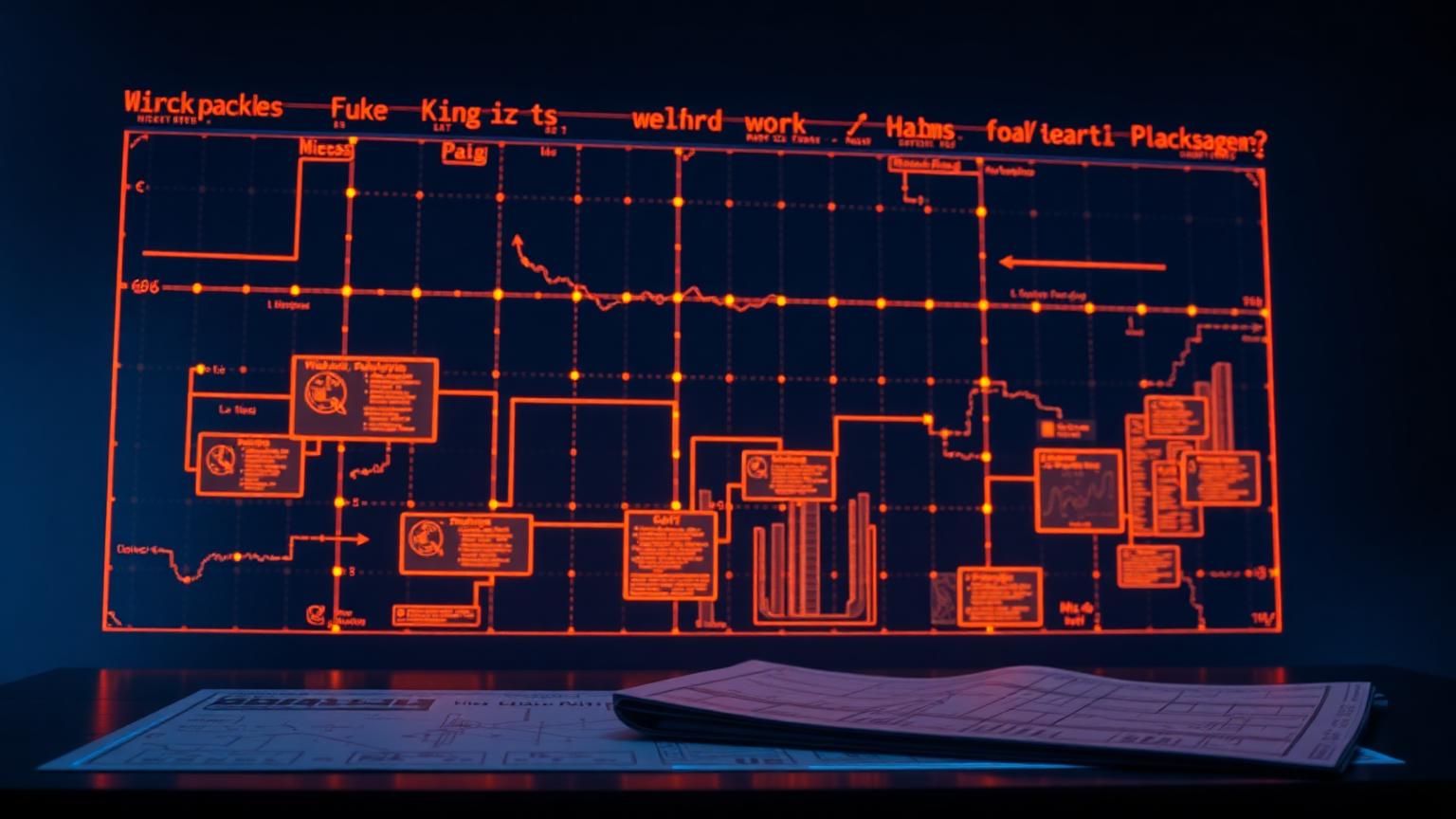
On any programme with more than three concurrent packages, the work is no longer about delivering each package. It is about managing the interfaces between them. Each package manager is incentivised to optimise their own package; nobody is incentivised to optimise the joins. The PMO's job is to put a structure around the joins.
Build an interface register at the start of the programme. Every interface has two named owners — one from each side — a date by which it must be resolved, and a status. Review the open interfaces in a weekly 30-minute forum with all package managers in the room. The forum is not a status meeting; it is a constraint-clearing meeting.
The interface categories are typically: physical (handover of a zone or system), informational (drawing release, specification, design data), commercial (variation impact on another package), and operational (shared plant, shared access, shared utilities). Each category has its own resolution pathway, and conflating them in one log is the first mistake most programmes make.
Physical interfaces are the most visible and the easiest to manage. A handover certificate, photo evidence, signed acceptance. The discipline is to refuse a handover that does not meet the agreed acceptance criteria — accepting it 'subject to remedial works' transfers the problem and rarely closes it.
Informational interfaces — design drops, specification clarifications, RFI responses — are where most slip occurs. A design package late by 10 days can cascade into a 30-day delay across three downstream packages. Track design release as a forecast versus actual in the same forum.
Interfaces resolved late are the single biggest source of delay claims on programmes. A register and a forum cost almost nothing and prevent millions in extension-of-time exposure. The cost-benefit on interface management is the most compelling of any PMO investment.
The forum cadence matters. Weekly works for active programmes; fortnightly is enough for stable programmes; monthly is too slow for any multi-package project. The temptation to relax cadence as the programme matures is the temptation to lose control. Hold the line.
Finally, the interface register is one of the few documents that benefits from being client-facing. Sharing the register with the client demonstrates discipline, surfaces issues early, and shifts the conversation from blame to constraint clearance. Clients who see the register usually become part of the solution rather than the audience for the problem.
Construction project manager (PMP, MCIOB) with 20+ years on infrastructure, commercial and industrial builds across the GCC and NZ. Writes about the controls, contracts and field practices that actually move projects.
Read full bio →